
Blown-in attic insulation Service in New York and New Jersey
Improve Comfort, Energy Efficiency, and Attic Performance
The attic is one of the primary places where heat moves between a building’s conditioned living space and the outdoors. When attic insulation is missing, uneven, compressed, or below the appropriate level, heating and cooling equipment may have to work harder to maintain a comfortable indoor temperature.
Just Venting provides professional blown-in attic insulation in New York and New Jersey for residential, multifamily, institutional, and commercial properties. Blown-in insulation can be added across an unfinished attic floor to improve thermal resistance, cover irregular areas, and create a more consistent layer around framing and other obstructions.
As a family-owned and operated company with more than 25 years in business, we understand that successful insulation work involves more than adding material. Existing insulation levels, air leakage, ventilation, moisture, electrical components, recessed lighting, attic access points, and the condition of the roof and building envelope should all be considered before installation begins. Schedule your insulation service with Just Venting today.
Does Your Attic Need More Insulation?
Insulation can settle, shift, become compressed, or be disturbed by contractors, pests, storage, renovations, and other activity. Older homes may also have been insulated according to standards that differ from current energy-efficiency guidance.
Consider having your attic insulation evaluated if you notice:
Uneven Temperatures Between Rooms
Upper-floor rooms that are consistently too hot during summer or too cold during winter may indicate inadequate insulation, air leakage, HVAC distribution problems, or a combination of concerns.
High Heating or Cooling Costs
Utility costs can be affected by weather, energy rates, equipment efficiency, thermostat settings, air leakage, and occupant habits. However, inadequate attic insulation may contribute to unnecessary heating and cooling demand.
Thin or Uneven Insulation
Low areas and exposed sections can create inconsistent thermal coverage, allowing heat to move more readily through portions of the ceiling.
Visible Ceiling Joists
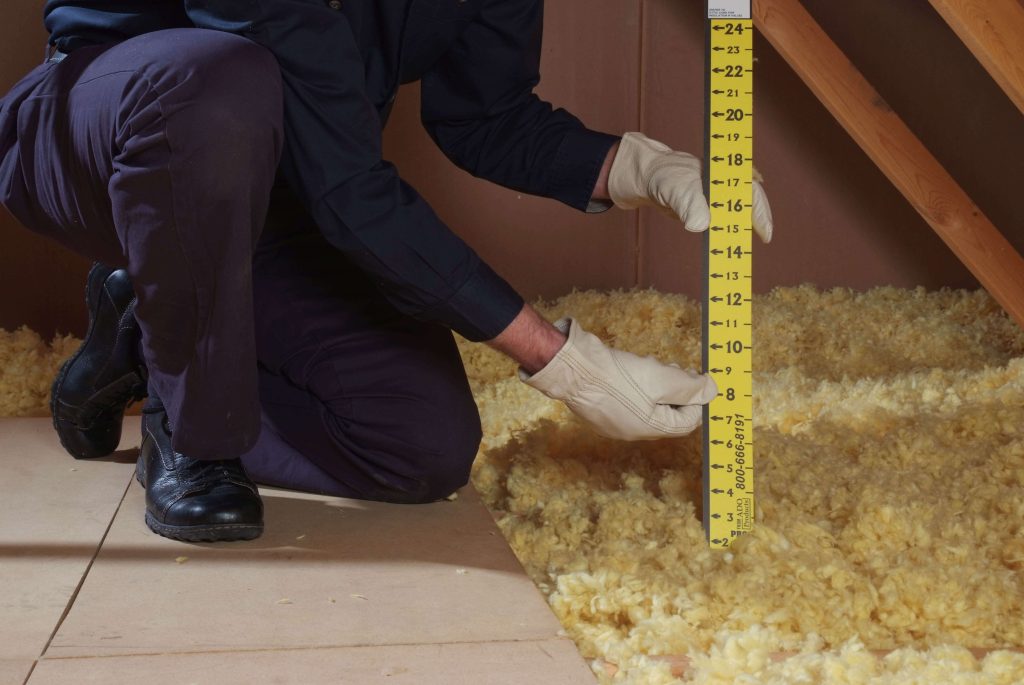
If the insulation is level with or below the attic floor joists, additional material may be beneficial. The existing insulation type, depth, and condition should be evaluated before deciding how much to add.
Attic Insulation As Preventive Home Maintenance
Insulation is often discussed only in terms of utility costs, but the attic is also an important part of the building’s long-term maintenance.
An attic insulation project creates an opportunity to identify visible conditions that might otherwise remain unnoticed, such as:
- Roof leaks or water stains
- Unvented bathroom exhaust fans
- Pest activity
- Compressed or contaminated insulation
- Open wall cavities
- Blocked soffit ventilation
ENERGY STAR recommends that contractors notify property owners when wet insulation, roof leaks, or signs of pests are discovered. It also advises addressing older recessed fixtures, plumbing penetrations, chimney or flue gaps, attic access points, and ventilation baffles as part of a properly planned project.
Our Blow-in attic insulation Process
Each property has a different attic design, insulation history, and maintenance condition. Just Venting develops the scope of work based on the actual needs of the building.
Blow-in Attic Insulation Throughout New York and New Jersey
Just Venting provides professional blown-in attic insulation services throughout New York and New Jersey.
Our service experience includes:
- Single-family homes
- Multifamily buildings
- Apartment and condominium properties
- Medical facilities
- Government offices
- Commercial buildings
We evaluate each attic individually and recommends an insulation scope based on the building- not a one-size-fits-all package.
Contact our team today 516-512-7877.
Frequently Asked Questions About Blown-In Attic Insulation
What is blown-in insulation?
Blown-in insulation is a loose-fill material distributed with specialized pneumatic equipment. Fiberglass and cellulose are common options. It is frequently used on unfinished attic floors and in irregular or hard-to-reach areas.
How do I know whether my attic needs more insulation?
Visible ceiling joists, shallow material, uneven coverage, uncomfortable upper rooms, and an unknown insulation history can indicate that an evaluation is appropriate. The existing type, depth, condition, and R-value should be considered before more material is added.
What does R-value mean?
R-value measures an insulation material’s resistance to heat flow. A higher R-value generally indicates greater thermal resistance. The appropriate R-value depends on the climate, building assembly, current insulation level, and applicable requirements.
Can blown-in insulation be added over existing insulation?
In many cases, yes. Existing material may remain when it is dry, uncontaminated, and suitable to receive additional insulation. Wet, moldy, odorous, pest-contaminated, or otherwise damaged insulation should be evaluated before new material is installed.
Will attic insulation lower my utility bills?
Improved insulation may reduce heating and cooling demand when inadequate attic insulation is contributing to energy loss. ENERGY STAR estimates that combined air sealing and insulation improvements can save up to 10% on annual energy bills, but actual results vary by property.